
The Difference Between Ashtanga Vs Vinyasa Yoga
What is the difference between Ashtanga yoga and Vinyasa yoga?
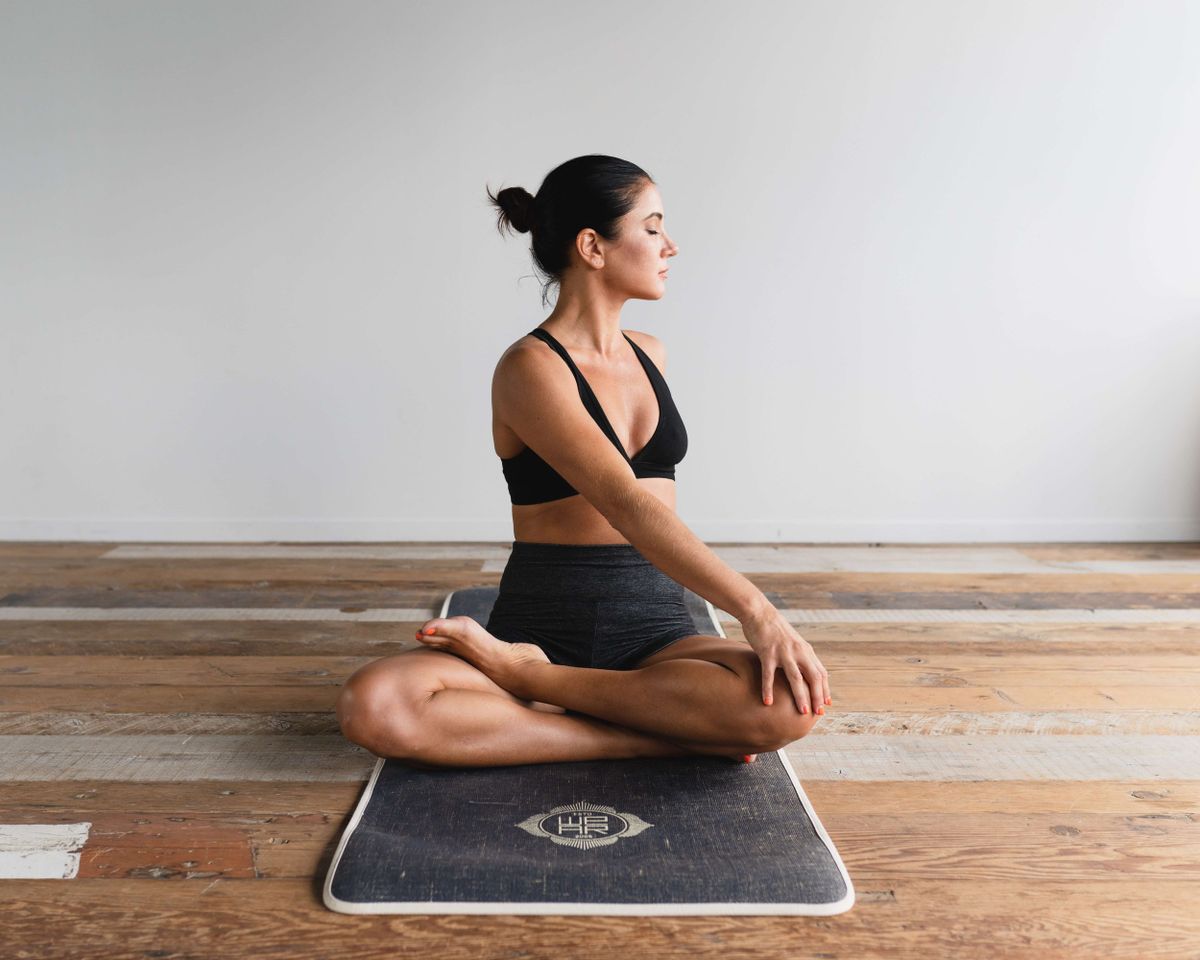
The differences between Ashtanga and Vinyasa yoga
There are hundreds of different yoga poses you can try at home, but Ashtanga and Vinyasa have recently stolen the show with their effective and intensive moves.
Although Ashtanga and Vinyasa differ broadly on their timeline, with the former being taught from the late 1940s and the latter coming much later, both types of yoga come with an intense focus on practice.
However, history isn't the only difference between these two types of yoga. For example, Vinyasa is freestyle compared to Ashtanga.
In this article, we will explore some other differences between Ashtanga and Vinyasa yoga.
Ashtanga Yoga Follows a Set Series of Poses
Ashtanga yoga comes with a rather prefixed set of yoga poses.
So, when we talk about Ashtanga, we can expect to follow the same pattern of movements and focus in the third week of the class as performed in the first one. Even the breath count will be the same!
You will be taught a set of primary series, which is the crux of the sets of sequences practised in yoga. It’s broken down into four postures, including the famous sun salutation.
You may find this yoga practice mundane and repetitive as time passes, but the other way of thinking about it is that it brings more discipline and a sense of control to your workout.
If you’re someone comfortable with such a routine, then Ashtanga yoga is the right fit for you. On the other hand, Vinyasa yoga is quite flexible.
However, you may see roughly the same draft of the sequences in Ashtanga, starting from the sun salutation and ending with a closing posture.
Everything in between is easily customised according to the subjective needs and interests of the performer.
That’s why many people refer to Vinyasa yoga as freestyle yoga.
Vinyasa Is Potentially Better for Your Mental Health
Ashtanga yoga can be great for your mental health, as there are focused breath counts and relaxing poses, and the sense of control and calm you get from doing repetitive yoga on a daily basis brings a lot of comfort to some people.
However, Vinyasa yoga takes your mood to another level. As it is freestyle, you have the freedom to listen to the music of your choice.
In fact, many teachers of Vinyasa yoga love playing some melodious tones in their classes to set a mood. The music ranges from Indian to mantra and even Hollywood!
Music can bring harmony and focus to Vinyasa classes. You may want to dive into more genres and get a little taste of fusion by listening to classical piano melodies.
However, sometimes this can be distracting. If you really want to focus on what you are doing and get into an intensive meditation mode, then you might want to consider doing Ashtanga yoga.
The Number of Levels Can Differ between Vinyasa and Ashtanga
Most yoga studios will provide a variety of different Vinyasa classes to get adjusted on a number of different levels.
In Vinyasa, there are different class levels such as Power Flow Level III or the beginner Gentle Level I class.
If you’ve just started yoga, you might consider going for Gentle level I, for example.
On the contrary, Ashtanga yoga is taught in quite a different manner. Ashtanga is quite conventional in that sense, offering some fixed set of poses. The teaching method is more sophisticated.
For example, there is a different training class for beginners in which they are only taught about the primary sequence.
Also Read: Why You Need to Include Meditation in Your Life
Other Differences Between Ashtanga and Vinyasa Yoga
There are some other differences between these two types of yoga.
For example, in doing Vinyasa yoga, you are free to pick a prop and practice your postures and salutations that way.
You might want to use a yoga block or a bolster to support different body parts in different movements.
On the other hand, Ashtanga yoga requires you to take only the support of your body, which is why it is considered more difficult.
In Ashtanga yoga, there are proper chants or mantras and Sanskrit counting you have to follow. These let you change smoothly between poses and they allow a more intensive meditation experience.
There’s no such formality in Vinyasa, which makes this yoga more flexible and convenient to do, especially for people who are out of the Indian culture or new to yoga.
So, Which Style of Yoga Should You Choose?
This is everything you need to know about the sophisticated and routine Ashtanga yoga and freestyle and fun Vinyasa yoga.
As with any exercise, it is important to make your own personal choice. Ashtanga yoga is a good choice if you want to choose discipline and incorporate an intensive routine of meditation into your life.
Although there is a myth that Ashtanga yoga is difficult, you will be able to take part in beginner classes on your own and create a set routine for yourself.
On the other hand, if you look at yoga as something to distract your mind and as a quick release from the pressure of your life responsibilities, then you might want to turn on your favourite music and cosy up your way to Vinyasa yoga.
Without a doubt, this type of yoga will relax your mind and give you a calm and collected body, allowing you to approach your responsibilities with a refreshed mind.
Summing Up Ashtanga Vs Vinyasa
Ashtanga yoga and Vinyasa yoga are fundamentally different in terms of their intensity, sequence and framework.
It greatly depends on the individual's personal choice and interest that makes them inclined to one type of yoga rather than the other.
This article has hopefully given you an idea about how the two types of yoga differ in terms of their structure and method, so you can pick one based on your individual preference.

Comments ()