
Ashtanga vs Hatha Yoga: Everything You Need to Know
What's the difference between Ashtanga yoga and Hatha yoga?
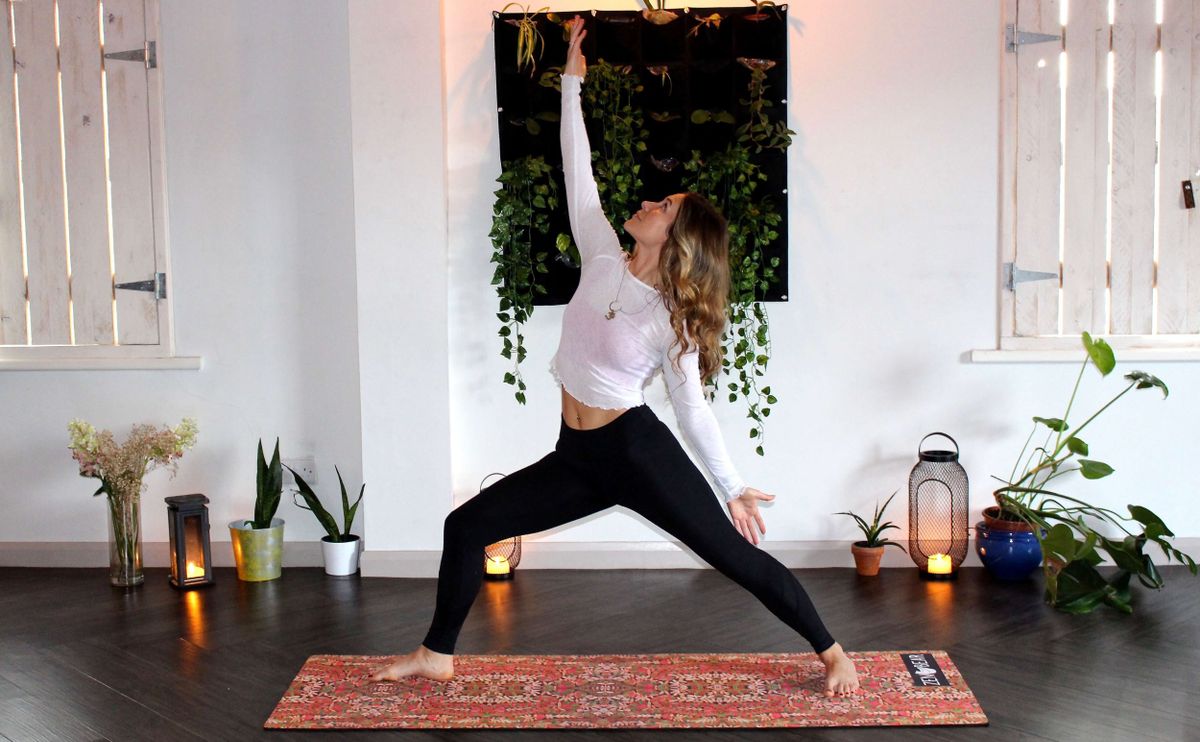
Find Out About the Differences Between Astanga and Hatha Yoga
When compared to Hatha, Ashtanga yoga presents a more dynamic approach. The Ashtanga yoga teachings emphasise breath, so every breath remains a single movement.
On the other hand, Hatha yoga might get comparatively slower. This type of yoga allows more time for the teacher to help out beginners.
In this article, we will consider the differences between these two styles of yoga.
Hatha Yoga is Slower Than Ashtanga
In a typical Hatha routine, you will need to hold the poses for longer than in Ashtanga yoga.
The yoga teacher will instruct you on the correct way of breathing to hold the pose, and you will need to hold through the pressure.
In addition to this, for Hatha yoga, you might need to shift towards the next pose in a relatively calm manner.
This is different to other types of yoga, where you need to flow between the different poses.
It is the reason why Hatha yoga is a great practice for yoga beginners who might not have all that energy and capability for practices that are more dynamic.
Also Read: Yoga Asana Benefits and How to Do It
Ashtanga Yoga Has a Structured Framework
One difference that makes the two yoga poses different from each other is that Ashtanga has more structure to it.
Ashtanga yoga classes all follow the same number and sequence of poses.
In each class, students will find their breath and then going towards sun salutations, seated poses, standing poses and ending poses.
The pose sequence remains the same throughout.
This might seem a bit mundane for many individuals, but some people might prefer this repetition over uncertain poses.
Your mind and body soon become acclimatised to the structured pattern. Despite flowing through these poses that remain the same, there are different types of variables that may differ.
For any individual who wants variation and change, an Ashtanga yoga class might be the best choice.
Hatha Yoga is Freestyle
Ashtanga yoga is structured and repetitive. The main aim is to forward the folds, the series which focuses on back bending, and the series which works on the different elements of the last sequences completed by the individual.
Every series in yoga begins with an easier pace and then gets hard progressively.
Hatha classes might include yoga poses with a mix of easier Ashtanga poses in a way that might make them more attainable in that sense.
It is done by striving towards a specific yoga pose in each class, therefore utilising the class to prepare the individual for an advanced-level pose.
Hatha yoga is more structured according to the choice of the teacher, and there is no repetition in the classes.
Ashtanga Yoga Might Be Harder to Do
This kind of yoga is more difficult to do and it is more demanding than Hatha yoga.
Ashtanga yoga is particularly challenging due to the emphasis on the particular Tristana methodology. This includes energy locks, breathing with sound and gazing points.
Apart from the different challenging poses in Ashtanga, every yoga instructor is required to focus on the different yoga poses, making the soul and brain connected with each other.
If you need to do a yoga practice that has physical activity, you might want to try Vinyasa yoga as well as power yoga.
These are more physically demanding styles of yoga.
Ashtanga Yoga Requires No Prop Use
Generally, the conventional basic yoga instructors don’t recommend using props in yoga.
The props include different supporting elements, such as yoga blocks. However, this doesn’t come as a general rule.
There are some Ashtanga teachers who may recommend props to their students.
The props can help to align and assist those with wounds, and they might even assist in getting beginners more adjusted.
Hatha yoga demands more props, particularly as it focuses on yoga for beginners.
These are some of the major differences between Ashtanga yoga and Hatha yoga for people looking to practice the exercise.
There Are Multiple Ways to Teach Ashtanga
Hatha yoga is usually taught by an instructor, guiding students through the different series of sequences that they have typically designed.
They might choose to only instruct the class by speaking through the poses. However, many instructors will also demonstrate the different poses.
It is possible to teach Ashtanga yoga in this way too, and this is known as a Mysore class.
Individuals will start by memorising the Ashtanga poses and instructors will practice the set sequence at the pace they want.
Which is Better?
It is impossible to decide which kind of yoga is better than the other, as it depends on the individual's own preferences.
If you want to have more variation and flexibility in your yoga practice, you might choose to do Hatha yoga.
On the other hand, you might want to do Ashtanga yoga if repetition and intensity make you feel more grounded in your routine.
There is no difference between the effectiveness of each type of yoga, so it is all about personal choice.
Final Word
As you can see, there are a few key differences between the two classes of yoga: Ashtanga and Hatha.
While Ashtanga yoga is more structured, defined and repetitive in its sequence, Hatha yoga comes with more flexibility.
You get more variation with Hatha yoga, and the use of props makes it more convenient, especially for beginners.



Comments ()