
A History of Native American Sports
A history of Native American sports - from sacred games to global arenas!
A history of Native American sports is really a history of Indigenous life itself. Games were never “just for fun”. They taught survival, settled disputes and pulled whole villages together.
Long before modern stadiums, players sprinted over prairies, dodged through forests and competed under open skies…
Today, there are 574 federally recognised tribes in the United States, each with its own stories of play, competition and ceremony. Tracing Native American sports can show us Indigenous resilience, creativity and motion leadership throughout the years.
From Survival Drills to Sacred Games
For many Native nations, sports grew from daily survival. Children practised running, wrestling and throwing so they could hunt and travel long distances as adults. Games were often tied to ceremonies, rain prayers or healing rituals, not separated into “sports” and “religion” as they are today.
Competitions might last hours or days, with almost everyone involved in some way. Winning mattered, sure, but shared courage, discipline and balance mattered more. Think of the playing field as a classroom without walls.
Lacrosse: America’s Oldest Team Sport
Lacrosse is often called America’s oldest team sport. Historians trace it back to around 1100 CE among the Haudenosaunee (Iroquois) in what is now New York and parts of Canada. The game could involve hundreds of players racing across fields that stretched for miles.
For many Haudenosaunee people, lacrosse is a gift from the Creator, played to heal the sick, honour the community or even settle conflicts. When you watch modern lacrosse, you’re seeing a living Indigenous tradition, not just a college sport.
Stickball: “Little Brother of War”
In the Southeast, stickball became so intense that it earned the nickname “Little Brother of War”. Choctaw, Cherokee and other tribes played with two sticks and a small ball, sometimes using games to resolve disputes rather than go to battle.
Fields could be huge, and matches sometimes drew entire towns of spectators and bettors. Players trained like warriors, dealing with hard hits and fast sprints. The purpose wasn’t only to score; it was to protect honour and community without bloodshed.
Running Traditions: Racing the Sunrise
For many Native nations, running is both a sport and a prayer. Among Navajo (Diné) and Hopi communities, dawn runs teach young people discipline, courage and connection to the land. In some ceremonies, young people run farther each day, racing towards the rising sun to “chase” a strong future.
Navajo girls’ Kinaaldá coming-of-age ceremonies include repeated runs that are believed to shape strength and life prospects. Think of it as track practice blended with an important life lesson about resilience and responsibility.
Chunkey and Prehistoric Arenas
Long before modern stadiums, people in the Mississippi Valley packed huge earthwork arenas to watch chunkey. Players rolled a stone disc and then hurled spears, trying to land closest to where the disc stopped.
The sport likely began around 600 CE near Cahokia, close to present-day St. Louis, and some arenas stretched up to about 47 acres. Chunkey wasn’t a casual pastime; it drew large crowds, inspired intense betting and helped maintain alliances across regions.
For more stories of ancient and traditional pastimes, check out our article about the unique world of Asian sports.
Women’s Games: Double Ball, Shinny and Power
Native women were powerful and, in many nations, they led their own games. Double ball, played by groups such as the Cree, Blackfoot and Ojibwe, used two balls tied together and long sticks in a fast, physical field sport often reserved for women.
In parts of the Northwest and Plains, Native American women also played shinny, a stick-and-ball game similar to field hockey. These games showcased endurance, agility and social strength every bit as much as men’s contests.
Native American Gambling, Ceremony and Community Ties
According to the Native American History Organisation, Indigenous sports often mixed physical skill with gambling and ceremony. People wagered goods, horses or blankets on stickball, chunkey, dice games and more. Far from being just “risk for fun”, betting expressed trust in spiritual forces and community networks.
A single big game might bring together different villages, languages and clans. In that sense, sports worked like a social glue. They kept stories, alliances and humour alive while providing people with a structured way to handle rivalry.
Boarding Schools, Carlisle and Jim Thorpe
In the late 1800s and early 1900s, oppressive US boarding schools were set up to try and erase Native cultures. Sports became powerful tools of resistance and pride for Native American students.
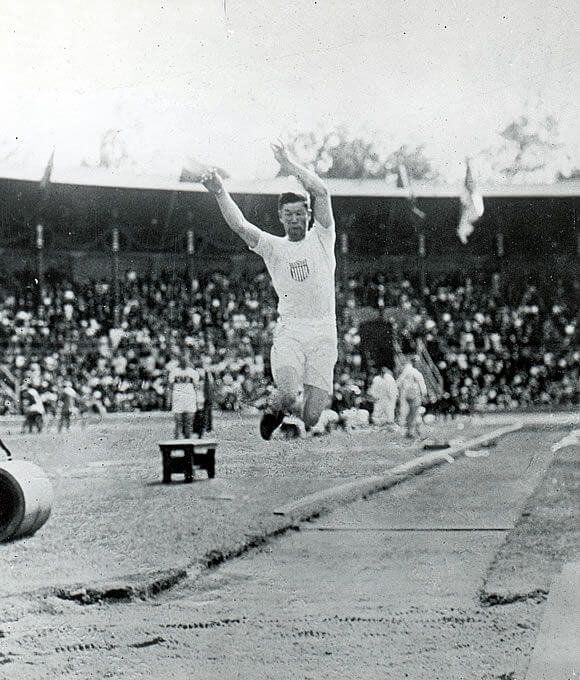
Carlisle Indian Industrial School’s football team, coached by Pop Warner and led by Sac and Fox athlete Jim Thorpe, shocked the country by defeating powerhouse programmes like Harvard and the Army.
Thorpe later won Olympic gold in 1912 and starred in pro football and baseball. His success showed that Native talent could dominate on America’s biggest stages, even in the face of discrimination.
Modern Native American Athletes and Big-Time Sports
Today, Native athletes compete in the NBA, WNBA, NFL, rodeo circuits, distance running and more, while still maintaining community traditions. Their careers often sit at a crossroads of visibility and erasure: they may be celebrated as stars, but their cultures are misrepresented by offensive mascots or stereotypes.
Many Native American sportspeople use their platforms to support youth sports clinics, language programmes and movements against racist imagery. Their presence reminds fans that Native American sports history is not stuck in the past; it’s playing in prime time.
The North American Indigenous Games
If you want a single modern snapshot of Native sports, look no further than the North American Indigenous Games (NAIG). The 2006 Games drew about 10,000 athletes from the US and Canada, representing more than 1,000 tribes and nations.
In 2023, around 5,000 athletes from 756 Indigenous nations competed in 16 sports across 21 venues in Halifax, Canada. NAIG blends competition with cultural events, turning every medal ceremony into a celebration of language, dance and survival.
A History of Native American Sports - Key Takeaways
Native American sports are not mere side notes in US sports history - they play a central role in it. From lacrosse fields to chunkey courts, Indigenous communities have used games to teach courage, heal grief and hold nations together.
These histories also hold hard truths about colonisation and oppressive US boarding schools, where sports were used both to control and to resist.
Learning this story changes how we view athletics today. It turns every field into a reminder of Indigenous creativity, endurance and ongoing presence in the US.
Comments ()